2026 USDA Loan Income Limits and Eligibility Guide
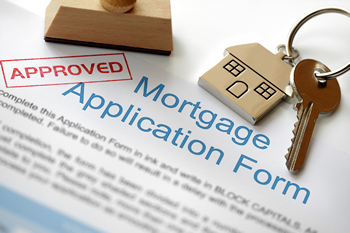 Navigating USDA loan income limits is the first step toward securing 100% financing for your rural home purchase.
Many qualified buyers miss out because they misunderstand how household income is calculated.
The United States Department of Agriculture (USDA) sets specific caps based on where you live and how many people reside in your home.
These thresholds ensure the program assists low-to-moderate-income families effectively.
Understanding these rules early saves time and prevents disappointment during the application process.
We will break down the 2026 guidelines clearly for you.
You do not need a down payment to qualify.
However, you must meet strict income criteria.
Let us explore how these limits work in practice.
Your path to homeownership starts with accurate information.
Knowledge is power when dealing with federal mortgage programs.
Navigating USDA loan income limits is the first step toward securing 100% financing for your rural home purchase.
Many qualified buyers miss out because they misunderstand how household income is calculated.
The United States Department of Agriculture (USDA) sets specific caps based on where you live and how many people reside in your home.
These thresholds ensure the program assists low-to-moderate-income families effectively.
Understanding these rules early saves time and prevents disappointment during the application process.
We will break down the 2026 guidelines clearly for you.
You do not need a down payment to qualify.
However, you must meet strict income criteria.
Let us explore how these limits work in practice.
Your path to homeownership starts with accurate information.
Knowledge is power when dealing with federal mortgage programs.
Understanding USDA Income Eligibility
The core of the USDA loan program is its focus on affordability. Unlike conventional loans, this government-backed option targets specific economic demographics. Eligibility hinges on two main factors: location and income. Your property must be in a designated rural area. Your total household income must not exceed the local limit. This dual requirement ensures funds go to those who need them most. It also keeps the program sustainable for future borrowers.
How Household Size Affects Limits
Income caps are not one-size-fits-all. They adjust based on the number of people living in the house. A single applicant has a lower threshold than a family of five. The USDA divides households into two categories. First, households with 1-4 members have a standard limit. Second, households with 5-8 members enjoy a higher cap. This adjustment recognizes the higher cost of supporting larger families. It ensures fairness across different family structures.
- 1-4 Members: Standard income limits apply. This is the most common category for small families and couples.
- 5-8 Members: Higher income limits apply. This accommodates extended families or multi-generational households.
For precise figures, use our USDA loan calculators to estimate your eligibility based on current data. These tools provide quick insights into your potential borrowing power.
What Counts as Income?
Many applicants are surprised by what the USDA includes in its calculation. It is not just about the borrower's salary. The agency looks at the gross annual income of every adult in the home. This includes anyone over the age of 18. It does not matter if they are on the loan application. If they live there, their income counts.
Included income sources typically consist of:
- Wages and salaries from all jobs.
- Social Security and disability benefits.
- Child support and alimony payments.
- Unemployment compensation.
- Regular overtime and bonuses.
Excluding these sources can lead to automatic denial. Transparency is crucial during the underwriting phase. Your mortgage preapproval process will verify every dollar. Honesty streamlines the approval timeline significantly.
2026 Income Limit Thresholds
While limits vary by county, there are general benchmarks for 2026. Most areas adhere to the standard federal guidelines. High-cost areas may have adjusted median incomes. This raises the ceiling for qualification in expensive regions.
Typically, you cannot earn more than 115% of the area median income (AMI). For a household of four, this often hovers around $103,500. For larger households, the limit can exceed $135,000. These numbers change annually. Always check the specific limits for your county. Rural areas near major cities often have higher limits. This reflects the local cost of living adjustments.
Credit and Debt-to-Income Requirements
Income is only half the battle. You must also demonstrate responsible debt management. The USDA prefers a credit score of 620 or higher. While no official minimum exists, most lenders enforce this floor. It reduces risk for the guaranteed loan program.
Debt-to-Income Ratio (DTI)
Your DTI ratio measures your monthly debt against your gross income. The USDA generally looks for a DTI below 41%. However, exceptions exist for borrowers with strong compensating factors. These might include significant cash reserves or a stable job history. Keeping your debts low improves your chances of approval. Pay down credit cards before applying. Avoid taking on new car loans or furniture financing.
Benefits of Choosing a USDA Loan
Why choose this program over FHA or conventional options? The benefits are compelling for eligible buyers.
- Zero Down Payment: Finance 100% of the home value. No cash upfront is required for the purchase price.
- Lower Mortgage Insurance: USDA guarantee fees are typically lower than FHA mortgage insurance premiums.
- Flexible Credit Guidelines: More forgiving of past credit issues than conventional loans.
- Rural Development Focus: Supports communities outside dense urban centers.
These features make homeownership accessible to many. It is a powerful tool for building wealth. Equity builds from day one without a down payment barrier.
Frequently Asked Questions
What is the maximum income limit for a USDA loan in 2026?
Income limits vary by county and household size. Generally, you cannot exceed 115% of the area median income. For most households of 1-4 people, the limit is often around $103,500, but it can be higher in expensive areas.
Does USDA count all household income for eligibility?
Yes. The USDA calculates the gross annual income of every adult (18+) living in the household, regardless of whether they are on the loan application. This includes wages, social security, and child support.
Can I get a USDA loan with bad credit?
While the USDA does not set a strict minimum credit score, most lenders require a score of at least 620. Lower scores may require manual underwriting or additional compensating factors.
Are there closing costs with a USDA loan?
Yes, closing costs still apply. However, you can often roll these costs into the loan amount if the appraised value supports it. Alternatively, sellers may agree to pay them as part of the negotiation.
Next Steps for Homebuyers
Determining your eligibility is straightforward. Start by checking your credit score. Gather documentation for all household income. Verify the property location using the USDA property eligibility map. If you meet the criteria, contact a licensed lender. They can guide you through the preapproval process. Do not let income limits discourage you. Many buyers qualify even with moderate earnings. The key is understanding how the rules apply to your situation. Take action today to secure your financial future. Rural homeownership is within your reach.
Connect With Us
Please share – it really helps