USDA Termite Inspection Requirements for Home Loans
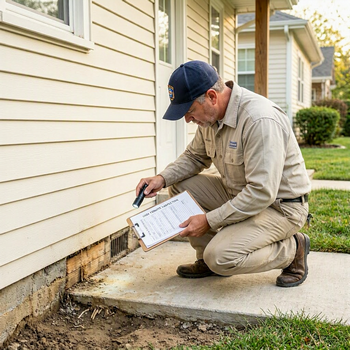 A termite inspection is often a critical step in the USDA loan process. Many borrowers don't realize that their lender may require a pest inspection before closing on a USDA home loan. Understanding what your lender expects and how long the inspection takes can help you avert delays during your home purchase.
Does USDA Require a Termite Inspection?
USDA itself does not have a blanket mandate for termite inspections. However, individual lenders underwriting USDA loans often set their own requirements. Your specific lender may require a termite inspection based on property location, age, and construction type. Some lenders treat a pest inspection as optional; others make it mandatory before they'll approve your loan.
The key difference between a USDA loan and an FHA or VA loan is that USDA guidelines focus on property eligibility rather than specific pest testing. That said, many USDA lenders follow practices similar to those of FHA and VA loan programs regarding wood-destroying organisms. Your mortgage company will tell you at the time of application whether your property will need a termite inspection.
Termite Inspection and USDA Loan Appraisals
During the appraisal process, the appraiser will note any visible signs of termite damage or pest activity. If the appraiser identifies structural damage or evidence of infestation, the lender may require you to hire a licensed pest control contractor to perform a full termite inspection. The appraiser is not a pest specialist, so they document concerns rather than diagnose problems.
This is where a formal termite report becomes important. A licensed inspector can determine whether termite infestation exists and what treatment might be needed. If treatment is required, costs can range from a few hundred to several thousand dollars depending on the severity and your home's structure.
What Triggers a Required Inspection
- Visible termite damage noted by the appraiser
- Properties in high-risk geographic areas recognized for termite activity
- Homes with wood siding, wood framing, or crawl spaces
- Older homes or properties with prior pest history
- Lender underwriting guidelines specific to your loan program
Understanding the Termite Inspection Process
If your lender requires a termite inspection, you'll need to hire a licensed pest control company or independent inspector. The inspection itself typically takes one to three hours. The inspector will examine the interior and exterior of your home, including the foundation, crawl spaces, attic, and any visible structural areas.
A qualified inspector looks for evidence of wood-destroying organisms, including termites, carpenter ants, and wood-boring beetles. They look for mud tubes, damaged wood, or active infestation. Once the inspection is complete, the inspector provides a written report documenting conclusions and any recommended treatment.
Timeline for Inspection and Results
- Schedule the inspection: 1-7 days after lender request
- Conduct the inspection: same day, 1-3 hours
- Receive written termite report: 1-3 business days
- Get treatment quote if needed: 2-5 business days
- Complete treatment: 1-3 days (if required)
Termite Damage and Your USDA Loan Approval
If the inspector finds termite damage or active termite infestation, your lender will likely require remediation before closing. The lender wants assurance that the structure is sound and that the property is a secure investment. Termite damage can weaken wood framing, making the home unstable or unsafe.
Treatment generally involves having a licensed pest control professional apply chemical treatments to soil around the foundation and any infested areas. Some properties may require tent fumigation, which is more expensive and time-consuming. After treatment, the pest control company issues a clearance certificate stating the property is free of active wood-destroying organisms.
Cost Factors
- Termite inspection cost: $100-$300
- Basic chemical treatment: $500-$2,500
- Extensive remediation: $3,000-$10,000+
- Tent fumigation: $5,000-$15,000+
- Annual monitoring plans: $150-$400 per year
Many homebuyers negotiate who pays for the inspection and treatment during the real estate transaction. Some sellers cover the pest control costs as a condition of sale; others ask the buyer to assume responsibility. Your real estate agent can guide you through these negotiations.
Comparing USDA, FHA, and VA Loan Inspection Standards
While all three loan programs focus on protecting the lender's investment, they approach termite inspections differently. FHA loans often require a pest inspection as a standard condition. VA loans typically require documentation of treatment if wood-destroying organisms are found. USDA loans take a more adaptable approach, allowing individual lenders to set their own standards.
| Loan Program | Termite Inspection Requirement | Treatment if Found |
|---|---|---|
| USDA Loan | Lender-dependent; not federally mandated | Lender discretion; usually required |
| FHA Loan | Often required by lender guidelines | Treatment and clearance typically mandatory |
| VA Loan | Required if damage noted during appraisal | Treatment and certification required |
| Conventional Loan | Lender and state-dependent | Varies by lender policy |
The USDA Handbook 4.1 outlines minimum property requirements for USDA loans, but specific inspection protocols are handled at the lender level. This gives USDA lenders flexibility to set guidelines that make sense for their region. If you're unsure whether your property will require a termite inspection, ask your loan officer directly. They can tell you early in the process whether this will be part of your loan approval.
How to Prepare Your Home for a Termite Inspection
If you know a termite inspection is coming, take a few simple steps to make the procedure smoother. Clear access to your basement, crawl space, and attic. Remove stored items from around the foundation and perimeter of your home. If you have a shed or detached garage, make sure the inspector can access those areas too.
The more accessible your property is, the more thorough the inspector can be. A complete inspection takes time, and inspectors appreciate homeowners who make it easy to examine all areas. This leads to a more accurate termite report and fewer surprises ahead the road.
Steps Before Your Inspection
- Remove items stored under the home or in crawl spaces
- Trim vegetation away from the foundation
- Ensure attic access is clear and safe
- Close off pets to give the inspector full access
- Make note of any areas where you've seen evidence of pests
What Happens if Treatment is Required
Once treatment starts, your home must be vacated during the process. Most chemical treatments take one day. Tent fumigation can require three to seven days. During this time, your family and pets stay elsewhere. After treatment, the pest control company will have your property inspected again to confirm the infestation is gone.
This follow-up inspection and clearance letter are essential for your lender. Without written proof that the wood-destroying organisms have been eliminated, your loan won't close. Plan for treatment to take longer than you might expect. Work closely with your lender, real estate agent, and pest control company to maintain everything on track.
After Treatment Checklist
- Obtain a written clearance certificate from the pest control company
- Follow-up inspection completed and documented
- Submit clearance letter to your lender immediately
- Discuss annual monitoring options with pest control provider
- Review treatment warranty details and coverage period
Common Questions About USDA Termite Inspections
What if I buy "as-is" and skip the pest inspection?
If your lender requires a termite inspection, you cannot skip it, even if you're buying the property as-is. Lender requirements override buyer preferences. However, you and the seller can negotiate who pays for the inspection and all required treatment through your purchase agreement.
Can I choose any pest control company for the inspection?
Most lenders require a licensed inspector or certified pest control company. The professional must be licensed in your state and able to provide a written report acceptable to the lender. Your lender can often provide a list of approved providers, or your real estate agent can recommend local companies with a strong reputation.
How long does treatment take if termites are found?
Chemical treatment typically takes one to three days for the initial application. The pest control company then monitors the property for several days or weeks to confirm that the infestation has been eliminated. Full eradication and clearance can take two to four weeks total. During this time, work closely with your lender to stop delays that might impact your closing date.
Will I need ongoing pest control after closing?
After treatment, many homeowners sign up for annual monitoring plans with their pest control company. These plans include scheduled inspections and preventive treatments to catch any early signs of a new infestation. While not required by the lender after closing, ongoing protection is a sound investment for long-term home maintenance.
Do I need a separate home inspection if I'm getting a pest inspection?
Yes. A pest inspection and a general home inspection serve different purposes. A home inspection evaluates the overall condition of the property, including roofing, electrical systems, plumbing, as well as structural integrity. A termite inspection focuses specifically on wood-destroying organisms. Both are recommended before purchase, and your lender may require either or both.
Connect With Us
Please share – it really helps