Can You Get a USDA Loan on a House with Asbestos?
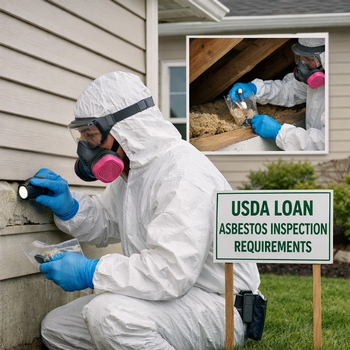 Buying a home in rural areas often means finding properties that are older and may contain asbestos. If you're considering a USDA home loan, you might wonder whether asbestos will disqualify your property or complicate your financing. The answer is subtler than a simple yes or no.
The United States Department of Agriculture sets specific guidelines for USDA loans, and asbestos is handled differently than other hazards. Your lender will rely on the real estate appraisal to detect potential issues, but asbestos alone does not automatically stop a USDA home loan from being approved.
How USDA Loans Treat Asbestos in Properties
The USDA Rural Development program does not automatically reject properties containing asbestos. Instead, the focus is on whether the asbestos poses an immediate health risk to occupants. A USDA loan approval depends largely on the condition and location of the material within the home.
When you apply for a USDA home loan, the property goes through a real estate appraisal. During this appraisal, inspectors look for visible hazards and defects. If asbestos is suspected or observed, the appraiser will note it in the appraisal report. However, the mere presence of asbestos does not necessarily mean your USDA loan will be denied.
The key question is whether the asbestos is in good condition or deteriorating. If the material is sealed, painted over, and intact, it may pose minimal risk. If it is crumbling, friable, or disturbed, the situation becomes more serious.
- Asbestos in attic insulation
- Asbestos in floor tiles or vinyl
- Asbestos in pipe insulation or boiler wrapping
- Asbestos in roofing materials or siding
- Asbestos in joint compound or texture coatings
Minimum Property Requirements and USDA Approval Standards
The USDA loan program uses minimum property requirements to ensure that homes financed through this program are safe and sanitary. These requirements are outlined in USDA guidelines and give your lender the authority to require repairs or remediation before closing.
If asbestos is found in a location where it could be disturbed - such as accessible attic space or areas visited by residents - the USDA may require that it be professionally removed or encapsulated. The cost of this work is sometimes negotiated between buyer and seller.
Friable asbestos (material that can crumble or be disturbed easily) is taken more seriously than non-friable asbestos. Friable materials pose greater inhalation risks and are more likely to trigger remediation requirements under USDA loan guidelines.
- Non-friable asbestos in good condition may be acceptable
- Friable or damaged asbestos typically requires removal or encapsulation
- Asbestos in living spaces is taken more seriously than in rarely accessed areas
- Your USDA loan lender makes the final determination based on property inspection findings
- The appraiser's report directly influences whether remediation will be required
What Happens During the USDA Appraisal Process
Understanding the appraisal process is critical for USDA home loan borrowers. When you apply for a USDA loan, your lender orders a formal real estate appraisal. The appraiser inspects the entire property and creates a detailed report.
The appraiser is trained to recognize potential hazards, including suspected asbestos materials. They will note the location, condition, and extent of any suspect materials. The appraiser cannot diagnose asbestos with certainty - that requires laboratory analysis - but they can flag materials that appear to contain it.
Once the appraisal report is completed, it goes to your USDA loan lender. The lender reviews the report and determines whether the property meets USDA standards. If asbestos is flagged, the lender will typically request one of the following:
- A professional asbestos inspection and risk assessment
- Professional removal or encapsulation of the asbestos
- A written plan for managing the asbestos safely
- A reduction in the purchase price to account for remediation costs
Eligibility and Borrower Options with Asbestos Present
Your ability to qualify for a USDA loan is not affected by the presence of asbestos in a property. Your income, credit score, debt-to-income ratio, and other financial factors determine your eligibility for a USDA home loan.
However, the property itself must meet USDA standards. If asbestos is discovered and your lender requires remediation, you have several options:
Option 1: Seller Pays for Remediation
You can negotiate with the seller to pay for asbestos removal or encapsulation before closing. This is often the cleanest solution and removes the liability from you as the new homeowner. Many sellers are willing to do this rather than lose a qualified USDA loan buyer.
Option 2: Reduce the Purchase Price
You can ask for a price reduction equal to the cost of asbestos remediation. This allows you to handle the work after closing, though you will be responsible for hiring a licensed contractor and guaranteeing compliance with local and federal guidelines.
Option 3: Walk Away
You can choose not to proceed with the purchase. If the cost of addressing asbestos is too high or the remediation scope is too extensive, this may be your best option.
Professional Asbestos Testing and Remediation for USDA Borrowers
If your property inspection or appraisal elicits concerns about asbestos, a professional assessment is the next step. Only a certified asbestos inspector can determine whether materials actually contain asbestos. Home inspectors can flag suspected materials, but they cannot diagnose them.
Professional asbestos testing involves collecting samples and sending them to a laboratory for analysis. This costs between $400 and $1,000 depending on the number and location of samples. The results are definitive and will guide your following steps.
If asbestos is confirmed, you will need a licensed asbestos abatement contractor to remove or encapsulate it. The cost varies largely based on the extent of contamination, accessibility, and local labor rates. Encapsulation is often cheaper than removal and is sometimes acceptable to your lender.
| Remediation Method | Cost Range | Timeline | USDA Approval |
|---|---|---|---|
| Professional Encapsulation | $1,000–$3,000 | 1–3 days | Often acceptable |
| Professional Removal | $5,000–$15,000+ | 3–7 days | Preferred method |
| Professional Inspection | $400–$1,000 | 1 day | Required first step |
USDA Loan Approval Timeline with Asbestos Issues
If asbestos is discovered during the appraisal process, your USDA home loan closing schedule will be extended. A standard USDA loan typically takes 45 to 60 days from application to closing. With asbestos remediation required, you should add 2 to 4 weeks.
Here's what the timeline typically looks like:
- Days 1–7: Asbestos is flagged in appraisal; lender notifies you and seller
- Days 8–14: Professional asbestos inspection is scheduled and completed
- Days 15–21: Lab results return; remediation bids are obtained
- Days 22–35: Remediation work is performed and inspected
- Days 36+: Closing proceeds once all requirements are satisfied
Communication with your lender is essential during this period. Keeping your real estate agent, seller, and lender informed ensures the process moves ahead smoothly. Delays at any stage can push your closing date back by weeks.
Common Questions About USDA Loans and Asbestos
Can a house with asbestos be financed with a USDA loan?
Yes. A house with asbestos can be financed with a USDA loan if the asbestos is in good condition and poses no immediate health risk. The condition and accessibility of the material matter more than its mere presence. Your lender and the property appraiser will assess the risk. If remediation is required, it must be completed, or a plan must be agreed upon before your USDA home loan closes.
Who decides if asbestos requires removal for a USDA loan approval?
Your lender makes the final decision based on the property appraisal report and any additional inspections. The appraiser identifies suspected asbestos, and the lender applies USDA guidelines to determine whether remediation is necessary. A professional asbestos inspection provides definitive information about whether materials actually contain asbestos, but the lender has the authority to require action.
Can I negotiate the cost of asbestos removal with the seller?
Yes. Once asbestos is identified and your lender requires remediation, you can negotiate with the seller. You can ask the seller to pay for removal, provide a credit toward the purchase price, or agree to reduce the price so you can hire your own contractor. Many sellers choose to handle this rather than lose a buyer, especially one with financing from USDA Rural Development.
Does asbestos affect my USDA loan eligibility?
No. Asbestos does not affect your personal eligibility for a USDA loan. Your income, credit, employment history, and debt levels determine whether you qualify for a USDA home loan. Asbestos is a property issue, not a borrower issue. However, if remediation costs are very high, you may need to adjust your purchase price or budget accordingly.
What if I want to buy a house with asbestos and handle removal myself after closing?
This is possible if your lender agrees. Some USDA loan lenders will allow you to handle asbestos remediation after closing if you provide a written plan and timeline. However, if the asbestos is in a high-risk location or is friable, the lender may require professional removal before closing. Discuss this with your lender early in the process.
Key Takeaways About USDA Loans and Asbestos
USDA loans are an effective means of homeownership in rural areas. While asbestos may be a concern in older homes, it does not automatically disqualify a property from USDA home loan financing. What matters is the condition of the material and whether it poses a health risk.
Work closely with your lender and real estate agent when asbestos is identified. Understand your remediation options, negotiate effectively with the seller, and plan for any holdups in your closing schedule. With proper due diligence and good communication, asbestos does not have to derail your dream of homeownership through a USDA loan.
Connect With Us
Please share – it really helps