USDA Loan Foundation Requirements: Complete Guide
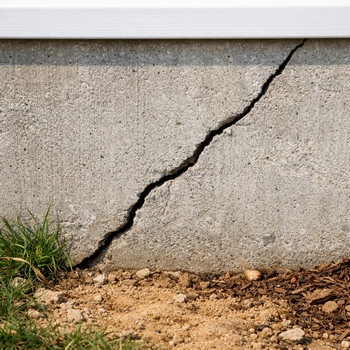 When you're buying a home with a USDA loan, the foundation is one of the most critical factors
lenders and appraisers examine. A strong foundation protects your entire investment and determines whether you can qualify for financing. Understanding what the USDA looks for in a foundation helps you manage the buying process and make well-informed decisions about property repairs.
When you're buying a home with a USDA loan, the foundation is one of the most critical factors
lenders and appraisers examine. A strong foundation protects your entire investment and determines whether you can qualify for financing. Understanding what the USDA looks for in a foundation helps you manage the buying process and make well-informed decisions about property repairs.
The USDA loan program finances rural homes across America, and foundation integrity is a deal-breaker for approval. Lenders require appraisers to inspect the foundation carefully, checking for cracks, water damage, settling, and structural problems. If your property shows signs of foundation issues, your loan could be delayed or denied unless repairs are made first.
What the USDA Loan Program Requires
The USDA doesn't just approve any home. The United States Department of Agriculture sets specific standards for properties that qualify for financing. These standards protect both the borrower and the lender by making sure the home is a safe, livable investment.
A USDA home loan requires that the property meet minimum safety and durability standards. The foundation must be stable, properly constructed, and free from major defects. Appraisers use federal guidelines to determine whether the foundation meets requirements or requires repairs before closing.
Foundation requirements include:
- Solid, stable concrete or masonry bases that support the structure
- No major cracks, settlement, or shifting that affects the home's stability
- Proper drainage to prevent water collection around the foundation
- Protection from frost damage in cold climates
- Adequate ventilation in crawl spaces to prevent rot and mold
- Proper grading that slopes away from the house
- No termite damage, wood rot, or other pest-related decay
Foundation Inspection During the USDA Loan Appraisal Process
The appraiser conducts a thorough inspection of the foundation as part of your USDA loan appraisal. This inspection is not optional - it's mandatory for all rural loans. The appraiser walks the perimeter, checks the interior, and documents any visible defects or concerns.
During the inspection, the appraiser looks for:
- Visible cracks in the concrete or masonry
- Signs of water infiltration or moisture problems
- Evidence of settlement or structural movement
- Pest damage or wood decay
- Inadequate ventilation or drainage issues
- Missing or deteriorated skirting on mobile homes
- Improper foundation repairs that don't meet code
The appraiser will note whether the foundation is acceptable or whether repairs are required before you can close on your loan. If problems exist, your lender will require the seller to fix them or you'll need to negotiate a credit at closing to cover repair costs.
USDA Loan Repair and Foundation Fixes
Not every foundation issue means you can't get a USDA loan. Minor cracks and small repairs don't automatically disqualify a property. However, major structural problems will block your financing until repairs are made.
If the inspection reveals foundation damage, you have options. The seller can make the repair before closing, you can request a credit to handle repairs yourself, or the deal can be renegotiated. Some borrowers walk away from the property rather than deal with expensive foundation work.
Eligible repairs under USDA guidelines include:
- Filling and sealing large cracks
- Installing adequate drainage systems
- Replacing rotted sill beams or rim joists
- Repairing or installing proper grading
- Treating wood rot and pest damage
- Installing or repairing foundation vents
- Leveling homes with significant settling
The contractor hired for foundation repairs must be licensed and qualified. The work must meet municipal building codes and USDA standards. Your lender may require proof of insurance, permits, and final inspection before releasing funds.
Types of Foundation Problems That Affect USDA Loan Approval
Some foundation issues are minor; others are serious enough to threaten loan approval. Your appraiser categorizes problems based on severity and whether they affect the home's safety and value.
Minor foundation issues include small non-structural cracks, cosmetic damage, or minor water stains that don't indicate active problems. These typically don't delay your loan approval.
Major foundation concerns include:
- Horizontal cracks that suggest structural stress
- Severe settling or structural movement
- Active water infiltration or moisture damage
- Foundation failure in corners or load-bearing areas
- Termite or pest damage affecting foundation integrity
- Improper sistering or previous failed repairs
- Frost heave or inadequate frost protection
These serious issues must be professionally assessed. Your lender may require a structural engineer's report before approving your USDA loan. The engineer determines whether the home is safe and what repairs are needed to make it habitable.
USDA Loan Eligibility When Foundation Repairs Are Needed
If foundation problems are found, you can still qualify for your USDA loan. The key is to have repairs completed before closing, or to secure financing to cover repair costs through a credit.
To qualify with foundation issues present, you'll need to:
- Provide a detailed scope of work from a licensed contractor
- Include cost estimates for all necessary repairs
- Demonstrate the contractor's qualifications and insurance
- Get written approval from your lender before work begins
- Schedule a final inspection by the appraiser after repairs
Your lender holds money in escrow until repairs get are complete. This protects your interests and ensures work is done properly. Once the appraiser signs off, you can close on your loan.
Many homeowners and buyers underestimate the importance of foundation inspections. They see foundation work as optional or cosmetic. In reality, foundation problems are among the top reasons USDA loan applications are delayed or denied.
Structural Standards and Safety Guidelines
The USDA follows federal guidelines that ensure homes are structurally sound and safe. These guidelines protect your family and your financial investment. The appraisal process verifies that the property meets these minimum standards.
Structural standards require that the foundation supports the entire weight of the home without shifting or settling. This means:
- Adequate footing depth below frost line
- Proper soil bearing capacity
- Correct concrete strength and reinforcement
- Proper drainage and moisture protection
- No contamination from hazardous materials
Homes built on poor soil, in flood zones, or without proper frost protection commonly face foundation challenges. Your appraiser documents these risk factors, and your lender decides whether additional repairs or insurance are necessary.
Drainage, Water Damage, and Foundation Health
Water is the enemy of foundation health. Poor drainage causes water to accumulate around the foundation, leading to cracks, rot, and structural failure. The USDA loan inspection includes a thorough check of how water moves around the property.
Proper drainage means:
- Ground slopes away from the home at least 6 inches per 10 feet
- Gutters and downspouts direct water away from the foundation
- No standing water or pooling near the structure
- Adequate sump pump or basement drainage system
- No landscaping or mulch piled against the foundation
- Perimeter grading that prevents water intrusion
If your property shows water damage around the foundation, your lender will require corrections. A licensed contractor can install French drains or sump pumps, or regrade the property to fix drainage problems. These repairs are common and usually more affordable than major structural work.
Pest Damage, Rot, and Foundation Safety
Termites and wood-boring insects destroy foundations from the inside out. Wood rot caused by moisture problems weakens structural members and poses safety hazards. Your appraiser looks carefully for signs of pest damage or rot during the inspection.
If pest damage is found, your USDA loan will require treatment and repair. A licensed pest control professional must treat the property and certify that the infestation is eliminated. Damaged wood must be replaced with new material or properly reinforced.
Rot commonly affects sill plates, rim joists, and basement support beams. These structural members must be sound. Your contractor replaces rotted wood and treats the area to prevent recurrence. This work must be done before your loan closes.
Rural Properties and Unique Foundation Challenges
Rural homes often have foundation challenges that suburban or urban properties don't face. Rural properties sit on varied soil types, may lack municipal services, and sometimes have non-standard construction methods.
Rural foundation issues include:
- Settling on poor soil or fill dirt
- Frost heave in northern climates
- Water table fluctuations affecting drainage
- No underground utilities or proper site grading
- Non-standard construction from years past
- Septic or well systems affecting foundation integrity
Your appraiser understands rural property challenges and applies realistic standards. A rural home isn't held to the same standards as a suburban development property. However, the foundation must still be sound and safe for your family.
Getting Your USDA Loan Approved With Foundation Issues
Foundation problems don't have to kill your USDA loan deal. Many properties with foundation concerns successfully close because borrowers and sellers work together to fix problems.
Here's the process:
- The appraiser documents foundation issues in the report
- Your lender reviews the report and determines if repairs are required
- You or the seller negotiate who handles repairs
- A licensed contractor provides a repair estimate and timeline
- Work is completed and inspected before closing
- The appraiser or third party verifies repairs are done correctly
- Your loan closes once issues are resolved
Communication between you, your real estate agent, the seller, and your lender is critical. If problems aren't addressed early, you could face eleventh-hour surprises or deal collapse.
Common Questions About USDA Loan Foundation Requirements
Can I get a USDA loan if the foundation has cracks?
Small hairline cracks are usually acceptable and don't delay your loan approval. Large horizontal cracks, or those that suggest structural movement, require repairs. Your appraiser determines severity and whether the home meets USDA standards.
What is the cost of foundation repairs for a USDA loan property?
Foundation repair costs vary widely depending on the problem. Minor repairs might cost $500 to $2,000. Major structural work can range from $5,000 to $15,000 or more. Get multiple contractor quotes before committing to repairs.
Can the seller be required to fix foundation problems before I buy?
Yes. Your lender requires foundation issues to be resolved before closing. This means the seller must make repairs, offer a credit, or renegotiate the price. You can walk away if you're unwilling to accept the terms.
How long do foundation repairs take?
Simple repairs like grading or installing drainage might take a few days. Major structural repairs could take several weeks. Your timeline affects your loan closing date and move-in schedule.
What if I disagree with the appraiser about foundation damage?
You can request a second opinion from another certified appraiser. If you believe the assessment is unfair, your lender may allow a re-appraisal. However, most lenders stand behind their appraiser's professional judgment.
Connect With Us
Please share – it really helps