USDA Loan Septic System Requirements for Rural Homebuyers
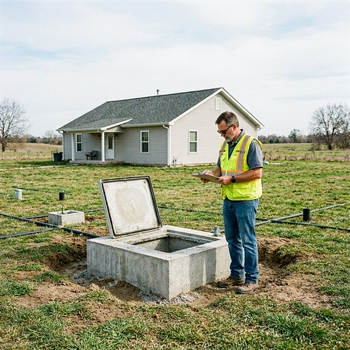 Buying a home in a rural area often means dealing with septic systems and private wells instead of municipal water and sewer connections. If you're financing your purchase with a USDA loan, your lender will require specific inspections and certifications before approving your mortgage. Knowing these rules helps you avert delays and unexpected repair costs when you're ready to close on your new property.
USDA Rural Development loans come with strict guidelines for homes that rely on onsite sewage facilities. The inspection process ensures that your septic tank and well or septic system meet federal standards for safety and proper operation. These requirements protect both your investment and your family's health.
Why USDA Loans Require Well and Septic Inspections
USDA loans require well and septic inspections because rural homes depend on these systems for daily operations. Unlike urban properties connected to municipal infrastructure, rural homeowners maintain their own water systems and sewage treatment on their land. A failing septic system can cost thousands to repair, and contaminated drinking water presents serious health risks.
The USDA loan program protects your interests through requiring a thorough inspection before funding. This ensures you're not buying a home with hidden problems. Your lender won't approve your mortgage until the inspection confirms both the well and septic systems are functioning properly and meet distance requirements.
- Septic tank sizing must match the home's bedroom count
- Well and septic systems must maintain required distance from each other
- Water quality testing proves drinking water is safe
- Inspection documentation must be signed by a licensed professional
- Repairs must be completed before loan closing
Septic System Inspection Requirements for USDA Loans
When you apply for a USDA loan, your property must pass a complete septic inspection. This isn't a quick visual check. The inspector examines the septic tank, drain field, and surrounding soil to verify everything works correctly. The inspection report becomes part of your loan file.
Your lender requires the septic inspection to confirm the system can handle your household's needs. A septic system sized for a two-bedroom home won't work for a four-bedroom house. The sizing must match your family's expected water usage. This protects you from buying a home where the septic tank fails within a few years.
The inspector checks multiple critical elements during the inspection:
- Septic tank condition and capacity
- Drain field depth, size, and soil percolation
- Distance from the house and property lines
- Access points and pumping history
- Signs of backup or surface seepage
Any repairs needed before your loan closes must be documented and completed by licensed professionals. Your lender may require photographic proof that work is done. This delays your closing schedule, so budget extra weeks for repairs if the inspection reveals problems.
Well and Septic Distance Requirements for USDA Loan Programs
USDA loans require specific distance requirements between your well and septic systems. These separation distances protect your drinking water from sewage contamination. The USDA Rural Development standards are based on EPA guidelines for safe onsite sewage treatment.
Your private well or septic system must follow minimum distance rules set by federal USDA loans requirements and your local rules. Most states require at least 50 feet between a well and septic tank, though some require more. Your inspector and local health department can tell you the exact requirements for your area.
| Feature | Minimum Distance from Well |
|---|---|
| Septic tank | 50-100 feet (varies by state) |
| Drain field | 50-100 feet (varies by state) |
| Property line | 10-25 feet |
| House foundation | 5-10 feet |
| Surface water | 50-100 feet |
If your property doesn't meet these distance requirements, your lender won't approve the loan. You'll need to either relocate the system or walk away from the purchase. This is why hiring a qualified inspector for your well and septic inspection early in the buying process matters. Don't wait until your USDA loan is pending to discover distance problems.
Water Quality Testing and USDA Loan Approval
Your well and septic systems affect your drinking water quality directly. USDA loans require water quality testing to prove your well produces safe water. The inspection includes bacteriological and chemical tests performed by certified laboratories.
The water test checks for bacteria, nitrates, and other contaminants that indicate sewage intrusion or natural hazards. If tests show unsafe water quality, your lender will require treatment systems before approving your mortgage. Common treatments include chlorination, filtration, or installing a new well.
USDA Rural Development standards require testing by an EPA-certified lab. Your inspector orders the test, and results typically arrive within two weeks. Your lender needs these results before your loan can move to closing. If the water fails the tests, remedial action must be completed and verified before funding is provided.
- Bacteriological testing (E. coli and coliform bacteria)
- Nitrate testing (indicator of sewage contamination)
- Chemical testing (arsenic, lead, uranium)
- pH and hardness testing (water quality indicators)
- Taste, odor, and color evaluation
FHA and Conventional Loan Well and Septic Standards
Other loan programs have similar but sometimes different standards. FHA loans require well and septic inspections for rural properties, much like USDA loans require them. Conventional loans may be less stringent, but most lenders request inspections anyway to protect their investment.
FHA loans follow HUD guidelines that are comparable to USDA standards. Your lender will request the same septic inspection, water quality testing, and distance verification. The inspection report format differs slightly from USDA documents, but the safety requirements are essentially identical.
Conventional loan guidelines vary by lender, but most require inspections for well and septic systems in rural areas. Some lenders use the same standards as USDA programs. Others may be more flexible about minor deficiencies. Always ask your lender about their specific well or septic system requirements before you make an offer.
Who Performs Septic Tank and Well Inspections
Your USDA loan requires inspections from qualified professionals licensed by your state. You can't use a general home inspection to evaluate your septic tank. Specialized inspectors have the training and equipment to properly assess septic systems. Your lender can recommend inspectors in your area.
Look for inspectors certified by the National Association of Onsite Wastewater Recycling Professionals (NOWRP) or your state's health department. They understand USDA standards and what documentation your lender requires. A thorough inspection costs $300 to $600 and can save you thousands in future repairs.
The water quality test must be performed by an EPA-certified lab. Your septic inspector commonly handles arranging the lab work. The results go directly to your lender and become part of the loan approval file. Never skip this step or try to substitute an older test. Your lender requires a recent test specific to your property.
Common Septic System Problems That Affect USDA Loan Approval
Inspectors regularly find issues that require repair before your USDA loan closes. Comprehending common problems helps you evaluate whether a property is worth pursuing. Some repairs are minor and inexpensive. Others can cost more than your down payment savings.
A septic tank nearing the end of its lifespan might pass inspection but cost you thousands within a few years. Your lender will approve the loan if the system is functioning now, even if a replacement is likely soon. Budget for eventual replacement when you calculate your long-term homeowner costs.
- Septic tank cracks or structural damage requiring repairs
- Undersized septic system for the home's bedroom count
- High water quality concerns including bacteria or nitrates
- Insufficient distance between well and septic systems
- Drain field failure or soggy soil in drain area
- Aged septic system with unknown pumping history
- Well depth or age concerns affecting water supply
USDA Loan Septic Repair and Compliance Timeline
Once the inspection is complete, you and the seller negotiate repairs. Your lender won't fund the loan until all issues are resolved. This negotiation can add two to four weeks to your closing date. Plan your move-in date accordingly.
The seller typically pays for repairs on a property they've lived in, but this varies by state and individual negotiations. If you're buying a foreclosure or as-is property, you might absorb repair costs. Always factor potential septic inspection repairs into your offer price and inspection contingency.
Once repairs are ordered, the contractor must complete work, and your inspector must verify completion. Your lender receives documentation of all work before releasing mortgage funds. Don't assume closing will happen on your target date if significant repairs are needed. Build extra time into your plans.
USDA Septic System Maintenance After Closing
Your septic system responsibilities don't end at closing. As a homeowner, you must maintain your septic tank and well and septic systems for the life of your loan. Regular maintenance prevents expensive emergencies and keeps your drinking water safe.
Pump your septic tank every three to five years depending on household size and water usage. Keep records of pumping and maintenance. Have your water tested annually for water quality assurance. Avoid pouring grease, chemicals, or nondegradable items down drains.
Your lender doesn't monitor your maintenance after closing, but failure to care for your septic system creates liability risks. A failed septic system contaminates groundwater and can cause serious health problems. Proper maintenance protects your family and maintains your property value.
Frequently Asked Questions About USDA Loan Septic Requirements
What happens if the septic inspection fails?
If the septic inspection reveals problems, repairs must be completed before your lender will fund the loan. You and the seller negotiate who pays for repairs. If repairs are expensive or impossible, you can use this as grounds to exercise your inspection contingency and back out of the purchase. Your lender won't approve the mortgage until all issues are resolved.
Can I get a USDA loan without a well and septic inspection?
No. USDA loans require well and septic inspections for all rural properties using these systems. Your lender won't fund the loan without documentation from a qualified inspector. This is a federal requirement tied to USDA loan program guidelines, not optional.
How much does a well and septic inspection cost?
A complete well and septic inspection typically costs $300 to $600. Water quality testing adds $100 to $300 depending on which tests are required. These costs are usually split between the buyer and seller during negotiations. Ask your lender who typically pays in your area.
How long does the septic inspection process take?
Scheduling the inspection takes a few days. The actual inspection takes two to four hours. Water quality testing requires lab work that takes one to two weeks. If repairs are needed, add two to four weeks for completion and verification. Budget four to six weeks total from inspection order to loan closing.
What if my well and septic systems don't meet distance requirements?
If distance requirements aren't met, your lender won't approve the USDA loan. You'll need to relocate one of the systems, which is extremely expensive. Most borrowers in this situation walk away from the purchase. Always check distance requirements before making an offer on a rural property.
Connect With Us
Please share – it really helps