USDA Loan Mold Inspection Requirements: What Buyers Need to Know
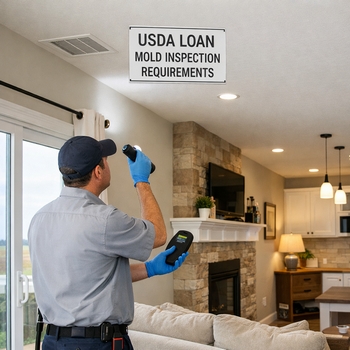 Buying a home with a USDA loan provides a path to homeownership with low costs, but it comes with strict property standards. A key part of this process is the appraisal and inspection phase, which may require a mold inspection. This article explains the inspection requirements for a USDA home, when a mold check is needed, and what to expect.
Does the USDA Loan Program Require a Home Inspection?
First, it is important to know that the USDA home loan program does not require a standard home inspection . The United States Department of Agriculture requires a property appraisal. This USDA appraisal confirms the home's market value and verifies it meets basic property standards for safety and suitability for habitation .
An appraiser looks for major defects during the inspection. The home appraisal process is less detailed than a professional home inspection for a USDA loan. The appraiser checks the roof, heating, and basic structural elements to pass a USDA appraisal .
When Does a USDA Home Loan Require a Mold Inspection?
A mold inspection is not an automatic part of loan appraisals. A specialized mold inspection becomes a USDA inspection requirement under certain conditions. The main trigger is when the appraiser sees evidence of moisture or mold during the USDA home inspection requirements check .
If the appraiser finds conditions that suggest mold, they will note it in the USDA appraisal report. The lender then requires a professional inspection for a USDA loan to assess the problem . This includes properties with signs of water damage, a history of flooding, or a persistent musty odor. Any home inspection for a USDA loan must be done by a qualified inspector .
What Triggers a Mold Inspection on a USDA Loan?
Several red flags can cause a lender to request a mold check. A home inspector or appraiser will look for these signs. A mold inspection is about finding conditions that threaten the home's structure or the health of the homeowner .
Key triggers for a required mold inspection include:
- Visible Water Stains: Discoloration on ceilings or walls often points to a leak.
- Ongoing Odors: A musty smell in the property is a strong indicator.
- Known Water Damage: Any history of flooding or leaks triggers a check.
- Poor Ventilation: High humidity in areas like bathrooms may create conditions for mold growth.
Understanding the USDA Mold Inspection Process
The process begins when the appraiser flags a potential issue. The USDA home inspection requirements then shift to the buyer. The borrower must hire a qualified inspector who will perform a mold inspection.
This inspection is far more detailed than the standard visual check. The inspector uses specialized tools to find hidden issues. The goal is to locate the source of moisture and determine the extent of any mold growth.
- Visual Assessment: The inspector examines all areas for visible mold, including attics and crawl spaces.
- Moisture Detection: Moisture meters help find damp areas inside walls.
- Air Sampling: Tests can identify high levels of mold spores in the air.
- Surface Sampling: Swabs of visible growth can identify the mold type .
USDA Standards for Mold and Property Condition
The USDA has clear standards for mold and property condition. These standards focus on health and safety. Even though the USDA home program uses FHA-style guidelines, its mold rules are strict. The goal is to protect the mortgage investment by making sure the home is structurally sound.
These standards require that the property is safe and livable. Mold damage that affects the structure or air quality must be fixed. The USDA considers mold a serious issue that can impact the value and safety of the property .
Consequences of Failing a USDA Mold Inspection
If a required mold inspection finds a problem, the sale process pauses. The property cannot close with the USDA loan until the issue is resolved. The lender will require proof of remediation .
Minor cases of surface mold, such as small spots on bathroom tiles, might be cleaned and sealed. The key is fixing the moisture source. More extensive mold requires professional remediation. The inspector must confirm that all affected materials are removed and the area is dry.
Who Pays for a USDA Mold Inspection and Repairs?
Responsibility for costs is a key negotiation point in the home buying process. Typically, the buyer pays for the home inspection, including any specialized checks. However, the USDA loan guidelines allow these costs to be included in the mortgage if stated in the purchase agreement.
Repair costs are handled differently. The seller is often responsible for making repairs to meet USDA standards. This is part of the sales contract negotiation. If the seller refuses, the deal could fall through, or the buyer might negotiate a price reduction and cover the repairs themselves. Some buyers use the USDA Rural Development grant program or repair loans, but these are rare for standard home purchases. The lender holds funds in escrow until the work passes a final inspection.
Water Quality and Septic System Inspections
Besides mold, USDA loan appraisal and inspection rules for rural properties often include checks on private water and waste systems. These are critical for properties not connected to city services.
USDA Requirements for Well and Septic Inspections
Properties with a private well or septic system face additional scrutiny. The USDA Rural Development office requires these systems to be safe and functional. The appraiser's visual check will note these systems. However, the lender often asks for certified reports.
For the septic system, a professional inspector checks the septic tank and drain field. They ensure the system operates properly and complies with local health codes. A failed septic system is a major barrier to loan approval. For water, tests test for bacteria and nitrates. The EPA and local health department set these standards. The water quality must meet safety standards and may require treatment. Buyers should budget for these inspections to avoid surprises.
Here is a quick guide to common required inspections for a USDA loan:
| Examination Type | Trigger for Requirement | What the Inspector Checks |
|---|---|---|
| Mold Inspection | Appraiser sees water damage or mold. | Locates moisture sources and assesses damage . |
| Pest Inspection | Required by state or if termite damage is seen. | Checks for active infestation and damage. |
| Well and Septic | Property uses private systems. | Tests drinking water quality and system function . |
| Roof Inspection | Roof appears old or damaged. | Assesses remaining life and checks for leaks. |
FAQs: USDA Loan Mold Inspection Requirements
Does the USDA require a mold inspection on every home?
No. A mold inspection is only required if the USDA appraiser sees evidence of moisture or mold during the property appraisal. If the home is dry and has no signs of water damage, a separate check is not required.
Can a house with mold fail a USDA appraisal?
Yes. The property will fail the USDA appraisal if the appraiser finds significant mold. The USDA appraisal is meant to confirm the home is safe, and extensive mold is a health and structural hazard. The buyer must fix the issue before the loan can close.
Who pays for the mold inspection on a USDA loan?
The buyer usually pays for the home inspection, including any specialized checks like a mold test. However, these costs might be rolled into the mortgage if agreed upon in the purchase contract. The lender or a third party must collect any water samples .
What happens if mold is found during a USDA loan inspection?
The mortgage process stops. The seller must arrange for professional mold remediation. After repairs, a home inspector must re-inspect the property to confirm the mold is gone and the moisture problem is fixed. The loan can only proceed after a passed reinspection .
Are FHA and USDA mold inspection requirements the same?
Both FHA and USDA loans have strict property standards. However, FHA loans have more detailed regulations for existing homes. Both programs require that a property is safe and habitable, and both can require mold remediation if a problem is found.
Connect With Us
Please share – it really helps