What Buyers Need to Know About USDA Appraisal and Inspection Requirements
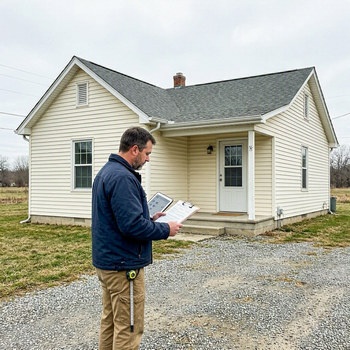 A USDA home loan inspection and appraisal are two separate but equally important steps in the homebuying process. Many borrowers confuse these two requirements, but each fulfills a specific role. The appraisal protects the lender by establishing the property's market value, while the home inspection protects you by exposing potential problems before you commit to the purchase. Understanding what each requires helps you make confident decisions about your investment.
The United States Department of Agriculture guarantees USDA loans for eligible rural properties, and both the appraisal and inspection requirements are strict. A property must meet minimum standards to qualify, and any defects discovered during these reviews can affect your ability to close the loan. This guide walks you through what happens during both processes and what you need to know to navigate them successfully.
The Difference Between USDA Inspection and Appraisal
An appraisal and an inspection are completely different evaluations, even though many buyers treat them as one. The appraisal determines the property's fair market value based on comparable sales, condition, and location. A USDA appraisal also checks whether the property meets minimum standards set by the Department of Agriculture. The appraiser works for the lender and produces a report that justifies the loan amount.
A home inspection is an independent evaluation you hire to identify any structural, mechanical, or safety problems. The home inspector looks for issues like roof damage, plumbing leaks, electrical problems, and pest damage. Unlike the appraisal, the inspection does not determine value - it documents condition and reveals costs of future repairs.
- Appraisal: Determines property value and USDA compliance; performed by lender's appraiser
- Inspection: Identifies defects and repair needs; you hire a licensed home inspector
- Appraisal: Required for all USDA financing; affects loan approval
- Inspection: Highly recommended; protects your interests during negotiation
USDA Minimum Property Standards and Appraisal Requirements
Every property securing a USDA loan has to meet specific minimum property standards. These requirements ensure the home is safe, sanitary, and structurally sound. The USDA-approved appraiser verifies compliance during the appraisal process. If the property fails to meet these standards, the lender will not approve the loan until repairs are made.
The USDA appraisal standards cover building integrity, mechanical systems, utilities, and safety hazards. Common areas of concern include foundation cracks, roof condition, plumbing and heating systems, electrical safety, and the presence of mold or pest damage. A property must have adequate utilities - electricity, water, and either public sewers or an onsite sewage facility (septic system). Many rural properties rely on well water and septic systems, which the appraiser will inspect closely.
- Foundation and structural soundness with no major cracks or settling
- Roof in good condition with sufficient remaining life
- Plumbing system functional and free of leaks
- Heating and cooling systems in working order
- Electrical system safe and up to code
- Safe drinking water from an approved source (well or public)
- Proper sewage disposal (public sewer or septic system)
- No pest infestation, mold, or other hazards
What Happens During a USDA Home Inspection
Skipping one step in your homebuying process can lead to regret. A USDA home inspection gives you a detailed picture of the property's condition before you sign the final paperwork. You hire the home inspector directly; the lender does not. The licensed home inspector spends two to three hours examining the home and produces a written report documenting all findings.
The inspector evaluates both visible components and systems. This includes the foundation, roof, exterior walls, windows, doors, attic, basement or crawl space, plumbing, electrical, heating and cooling, and interior finishes. The inspection also looks for signs of water damage, mold, pest damage, and other defects. Many home inspection requirements overlap with USDA standards, but the inspector may find additional issues that affect livability or value.
After the inspection, you receive a report listing all defects by severity. Items marked "safety hazards" require immediate attention. You can use this report to negotiate repairs with the seller or request a price reduction. Some buyers use the findings to walk away from a problematic purchase. Either way, the home inspection gives you the information you need to make a confident decision.
USDA Appraisal Standards for Your Home Loan
The USDA appraisal process begins after you have an accepted sales contract. The lender orders the appraisal, and a USDA-approved appraiser is assigned to the property. The appraiser conducts an extensive review and prepares a report within 5 to 10 business days. This report is critical because it determines whether your loan will be approved and at what amount.
During the appraisal visit, the appraiser will examine the property inside and out. The appraisal measures square footage, notes construction type, and documents the condition of major systems. The appraiser also researches recently sold comparable properties to determine market value. If the property does not meet USDA minimum standards, the appraiser will list required repairs. Your seller must complete these repairs before you can close the loan.
One common problem is when the appraisal comes in lower than the purchase price. This creates a gap between what you agreed to pay and what the property is worth. Your lender will only finance up to the appraised value, so you must either pay the difference in cash, renegotiate with the seller, or walk away. Understanding this risk before you make an offer protects your financial position.
- Appraisal ordered by lender after accepted offer
- USDA-approved appraiser conducts property evaluation
- Report completed within 5 to 10 business days
- Property must meet minimum standards to pass
- Failed items require repair before the loan closes
- Appraisal value determines maximum loan amount
Common Issues That Fail USDA Appraisal and Inspection
Certain problems appear frequently on failed USDA appraisals and home inspections. Knowing what to look for helps you evaluate a property before you make an offer. Foundation cracks are common in older rural homes; small hairline cracks are acceptable, but structural movement requires expensive repairs. Roof age is another major issue - most lenders want a roof with at least five years of useful life remaining.
Plumbing and electrical problems are costly to repair. Outdated electrical systems with fuses instead of circuit breakers may not be safe for modern appliance loads. Plumbing that relies on galvanized pipe often has low water pressure and may be contaminated. Heating systems should be functional and efficient; an old furnace or heat pump nearing the end of its life signals future expense.
Water and sewage issues are critical in rural areas. A well must deliver safe drinking water that has been tested by the state. Septic systems must be properly sized and located away from the water source. If either system is inadequate, the property fails the appraisal. Pest damage from termites, carpenter ants, or other wood-destroying insects must be treated. Mold is expensive to remediate and can affect loan approval.
- Foundation cracks indicating structural movement
- Roof age exceeding acceptable lifespan
- Outdated or unsafe electrical systems
- Failing plumbing with galvanized or corroded pipe
- Inadequate or failing water well
- Septic system failure or improper installation
- Termite or pest damage requiring treatment
- Mold indicating moisture problems
How to Prepare Your Home for USDA Inspection and Appraisal
If you are a seller preparing to list a property, understanding USDA requirements puts you ahead. Complete any obvious repairs before showing the home. Paint over water stains, fix leaky faucets, and ensure the heating system works. Clean the property thoroughly and remove clutter; a clean home inspects better and appraises higher.
Have your home systems inspected before listing. If you know there are problems, fix them or price the home to account for repairs. A preemptive home inspection prevents surprises during the appraisal. Provide documentation of recent repairs or system replacements; this builds confidence in the property's condition.
If you are a buyer, get a licensed home inspector involved early. Schedule an inspection as soon as your offer is accepted. Do not wait for the lender's appraisal. Use the inspection report to identify any defects and decide whether to negotiate repairs, ask for a price reduction, or withdraw your offer. This process takes time, so build it into your timeline.
USDA Financing and the Role of Your Lender
Your lender orders the USDA appraisal and ensures the appraiser uses correct standards. The lender also reviews the appraisal report and determines whether the property qualifies. If repairs are required, your lender will provide a list and set a deadline for completion. Some lenders allow repairs to be completed after closing using an escrow account; others require completion before closing.
Your lender cannot order a home inspection on your behalf. This is your responsibility as the buyer. However, your lender will review the inspection report if you submit it, and they may require repairs if serious safety hazards are found. Communicate with your lender early if the inspection reveals major issues. Working together increases your chances of reaching a successful closing.
Understanding Septic Systems and Well Water in USDA Appraisals
Rural properties commonly rely on septic systems and well water, making these systems critical to USDA approval. A septic system consists of an underground tank that collects and treats household waste. The system must be properly sized for the home and located at least 50 feet from the well. If the system is failing - backing up into the home or leaking - the property fails the USDA appraisal.
Well water must meet state safety standards. A water test is required to confirm the well is free of bacteria and other contaminants. If testing reveals problems, the well must be treated or a new well drilled. Both repairs are expensive, so budget accordingly if you are buying a property with well water issues. The appraiser will verify that proper permits and inspections are on file for the well and septic system.
FAQs About USDA Home Inspection and Appraisal
Is a home inspection required for a USDA loan?
A home inspection is not required by USDA, but it is highly recommended. The lender requires an appraisal, which checks minimum standards, but an independent inspection protects you by revealing problems the appraiser might not catch. Budget $300 to $500 for a professional inspection and consider it insurance against hidden defects.
What if the appraisal comes in lower than the purchase price?
If the appraisal value is lower than your offer price, you have three options. First, you can pay the difference in cash. Second, you can renegotiate the purchase price with the seller. Third, you can walk away from the deal; in many cases, the contract includes an appraisal contingency allowing you to cancel. Discuss this situation with your lender before making an offer so you understand your position.
Can I choose my own appraiser for a USDA loan?
No, the lender selects the USDA-approved appraiser. You cannot choose the appraiser, but you can request that the lender use an appraiser familiar with rural properties in your area. A local appraiser understands regional market conditions and is more likely to complete the appraisal accurately and on time.
What is the difference between a USDA appraisal and a USDA inspection?
A USDA appraisal determines the property's market value and verifies compliance with minimum standards. An inspection is an independent evaluation of the home's condition. The appraisal is required by the lender; the inspection is optional but recommended. Both are important to the homebuying process, but they fulfill different purposes.
How long does a USDA appraisal take?
The appraisal procedure usually takes 5 to 10 business days from the time the lender orders it. The appraiser visits the property, completes the evaluation, and sends the report to the lender. Your lender will then review the report and notify you of the results. In rare cases, the appraiser may need additional time if the property is complex or hard to access.
Connect With Us
Please share – it really helps